 |
 |
.gif) |
 |
The Official Website of the USS Plymouth Rock Ships Association
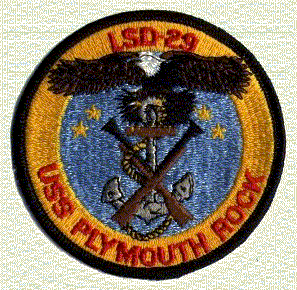
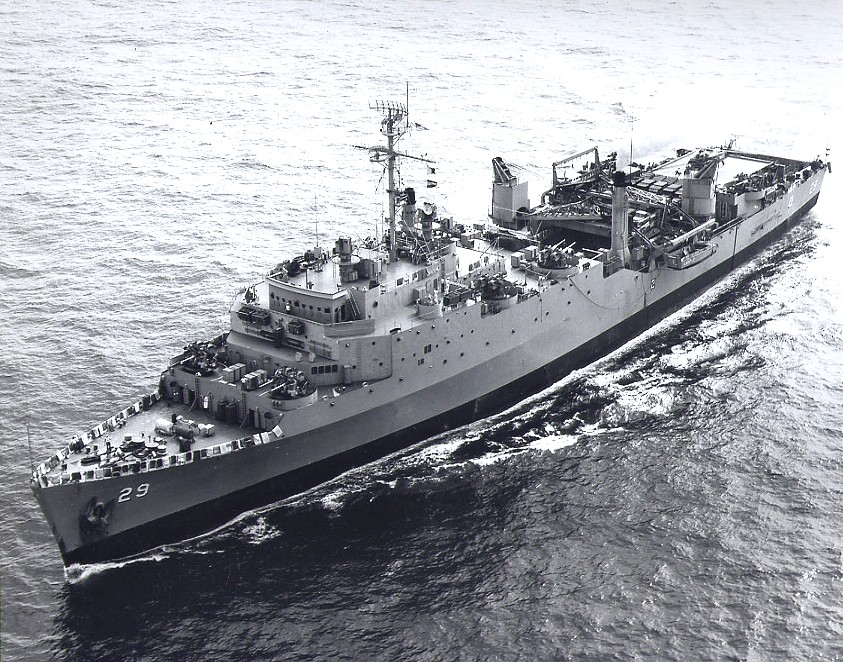
USS Plymouth Rock (LSD29)
|
|
|
|

|
 |
 |
Website Last Updated February 16, 2021
Ship's Motto: Always the First Landing
USS Plymouth
Rock International Call Sign
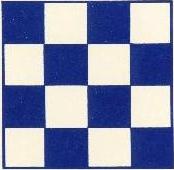
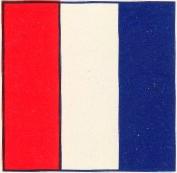

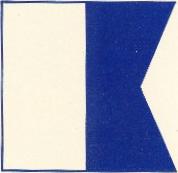
Since we are no longer sending out a newslettter, I thought I would use the website as a tool for communicating to all of you.
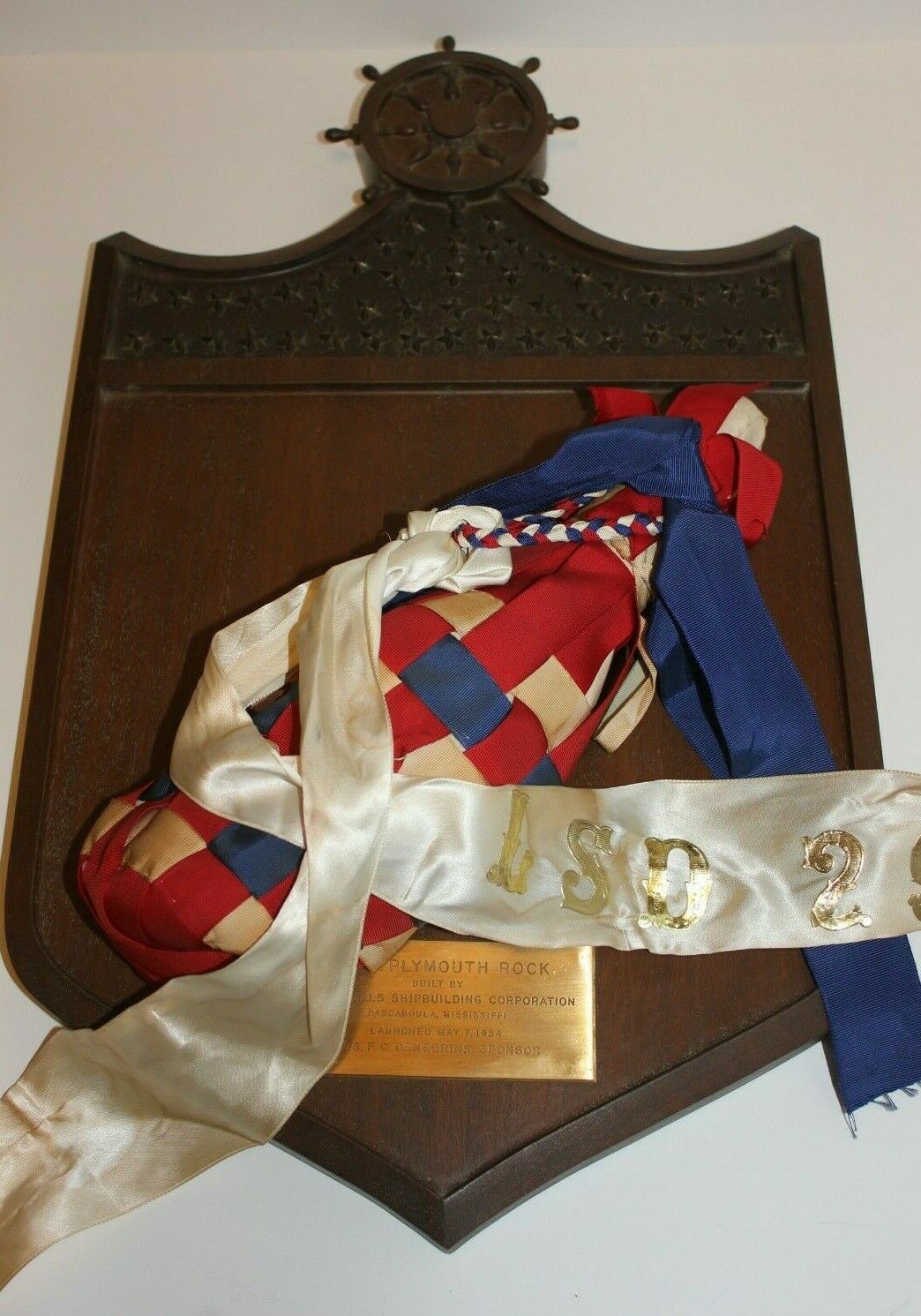
I could not
believe this when I saw it on e-bay . This is one of a kind Gerry Holden, YN2, ran the Captains Office in 1969.
The newest edition of Navy Shift Colors is now
available. The USS Thomaston (LSD28) has some interesting links in their website that I thought I would pass on to you. http://ussthomaston.com/history-lsd-class.html List on LSD classes http://ussthomaston.com/history-landingshipdock.html The history of the Landing Ship Dock ships. http://ussthomaston.com/album-the-landing-ship-dock.html The Landing Ship Dock by Eugene E. Brockman
S Drafting Old Guys Article from Dave McGhee, AB3. (Hillarious) I am over 70 and the Armed Forces thinks I.pdf
Have you ever noticed the honor guard pays meticulous attention
to correctly folding the United States of America Flag 13 times?
You probably thought it was to symbolize the original 13
colonies, but we learn something new every day!
The 1st fold of the flag is a symbol of life.
The 6th fold is for where people's hearts lie. It is with their
heart that they pledge allegiance to the flag of the United
States of America , and the Republic for which it stands, one
Nation under God, indivisible, with Liberty and Justice for all.
The 7th fold is a tribute to its Armed Forces, for it is through
the Armed Forces that they protect their country and their flag
against all her enemies, whether they be found within or without
the boundaries of their republic.
The 8th fold is a tribute to the one who entered into the valley
of the shadow of death, that we might see the light of day.
The 9th fold is a tribute to womanhood, and Mothers. For it has
been through their faith, their love, loyalty and devotion that
the character of the men and women who have made this country
great has been molded.
The 10th fold is a tribute to the father, for he, too, has given
his sons and daughters for the defense of their country since
they were first born.
The 11th fold represents the lower portion of the seal of King
David and King Solomon and glorifies in the Hebrews eyes, the
God of Abraham, Isaac and Jacob.
The 12th fold represents an emblem of eternity and glorifies, in
the Christians eyes, God the Father, the Son and Holy Spirit.
The 13th fold, or when the flag is completely folded, the stars
are uppermost reminding them of their Nations motto, 'In God We
Trust.'
After the flag is completely folded and tucked in, it takes on
the appearance of a cocked hat, ever reminding us of the
soldiers who served under General George Washington, and the
Sailors and Marines who served under Captain John Paul Jones,
who were followed by their comrades and shipmates in the Armed
Forces of the United States, preserving for them the rights,
privileges and freedoms they enjoy today. Submited by Shorty Cyr, BM3 Skip Sanders who is associated with the Amphibious Ships Reunion group called me recently to see who might be interested in attending their reunion in Buffalo, NY in September. If you are interested in attending I would suggest that you call Skip at 412-367-1376 for more information. We will continue to maintain the website for another year in the event that someone of there might be interested in picking it up. If you are interested in doing this contact me Bill Provencal at 603-435-8703. Video from WAVY, Norfolk, Va of USS P.Rock entering port. Click here and then Sign In, in upper right corner Plymouth Rock 1981
Ship Store Items
|

 |
|
|
|
|
.gif)
|
|

|
| ||
|

|
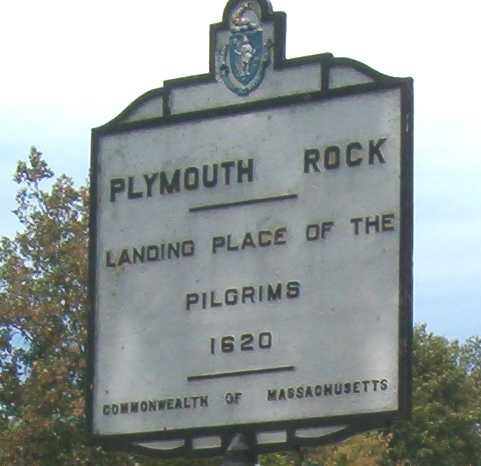
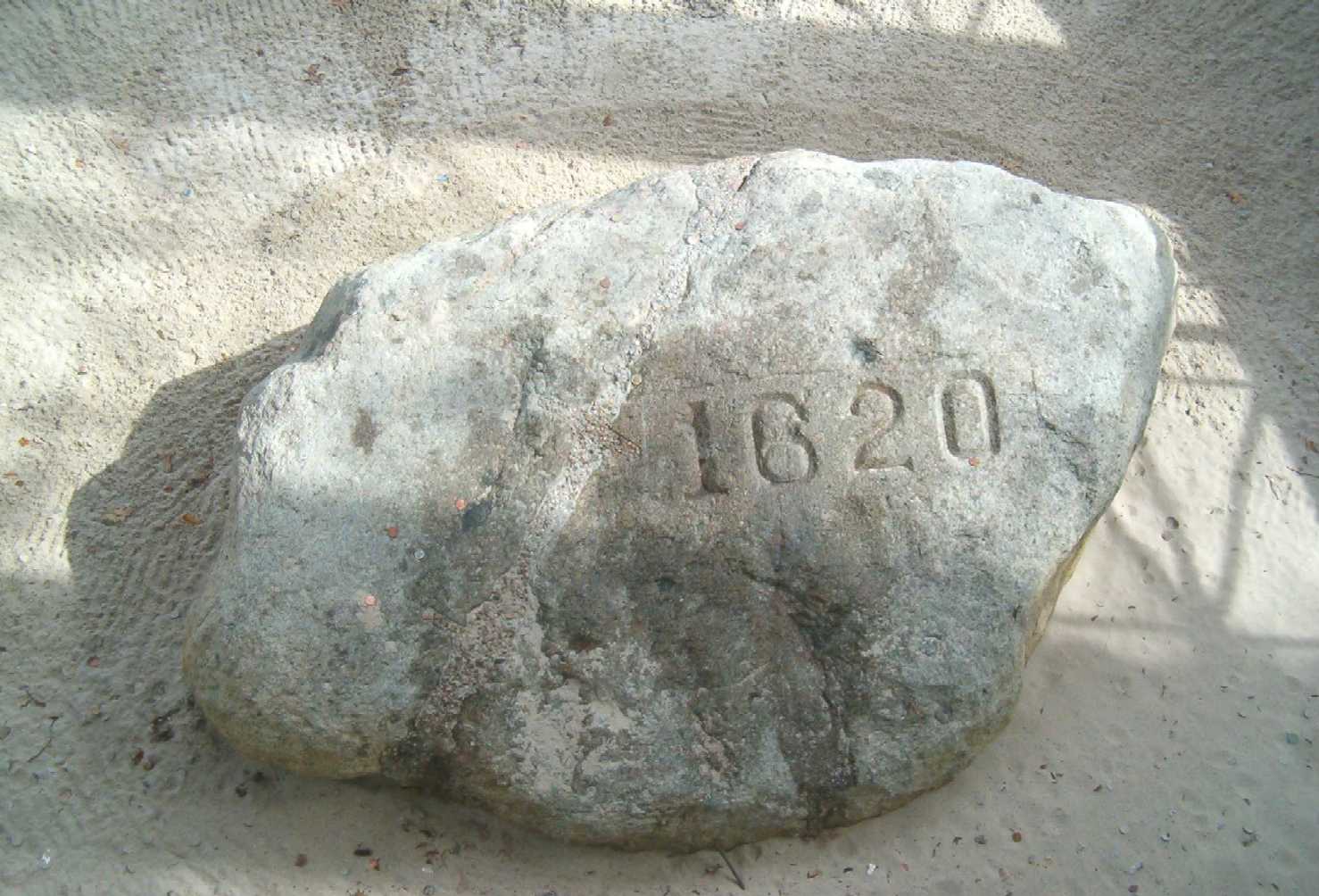
Plymouth MA landing site of the
original pilgrims and the Plymouth Rock |
|
|
|
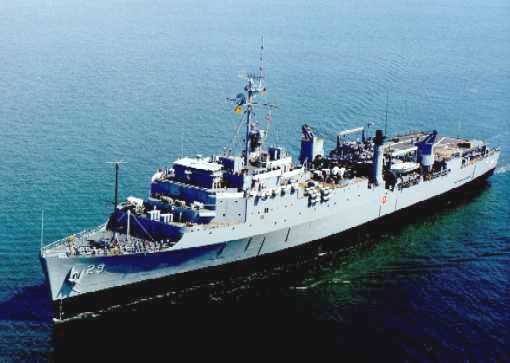
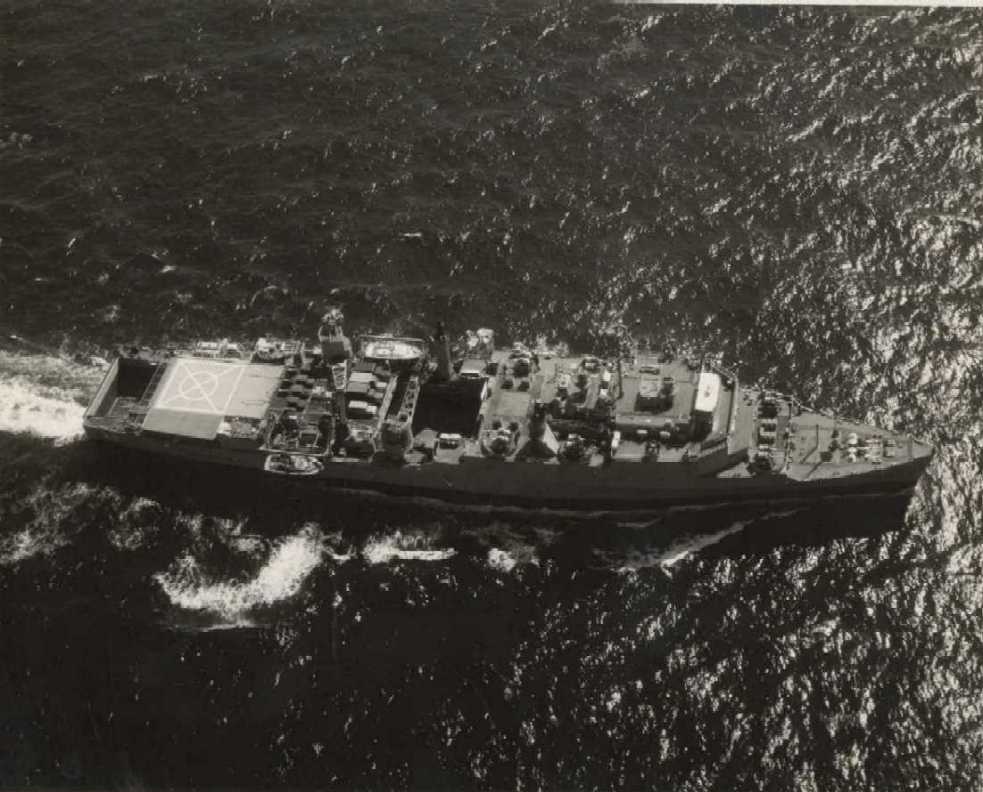
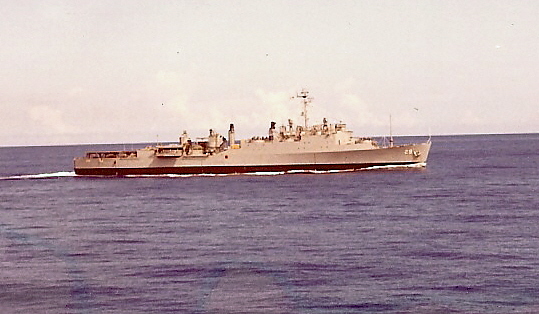
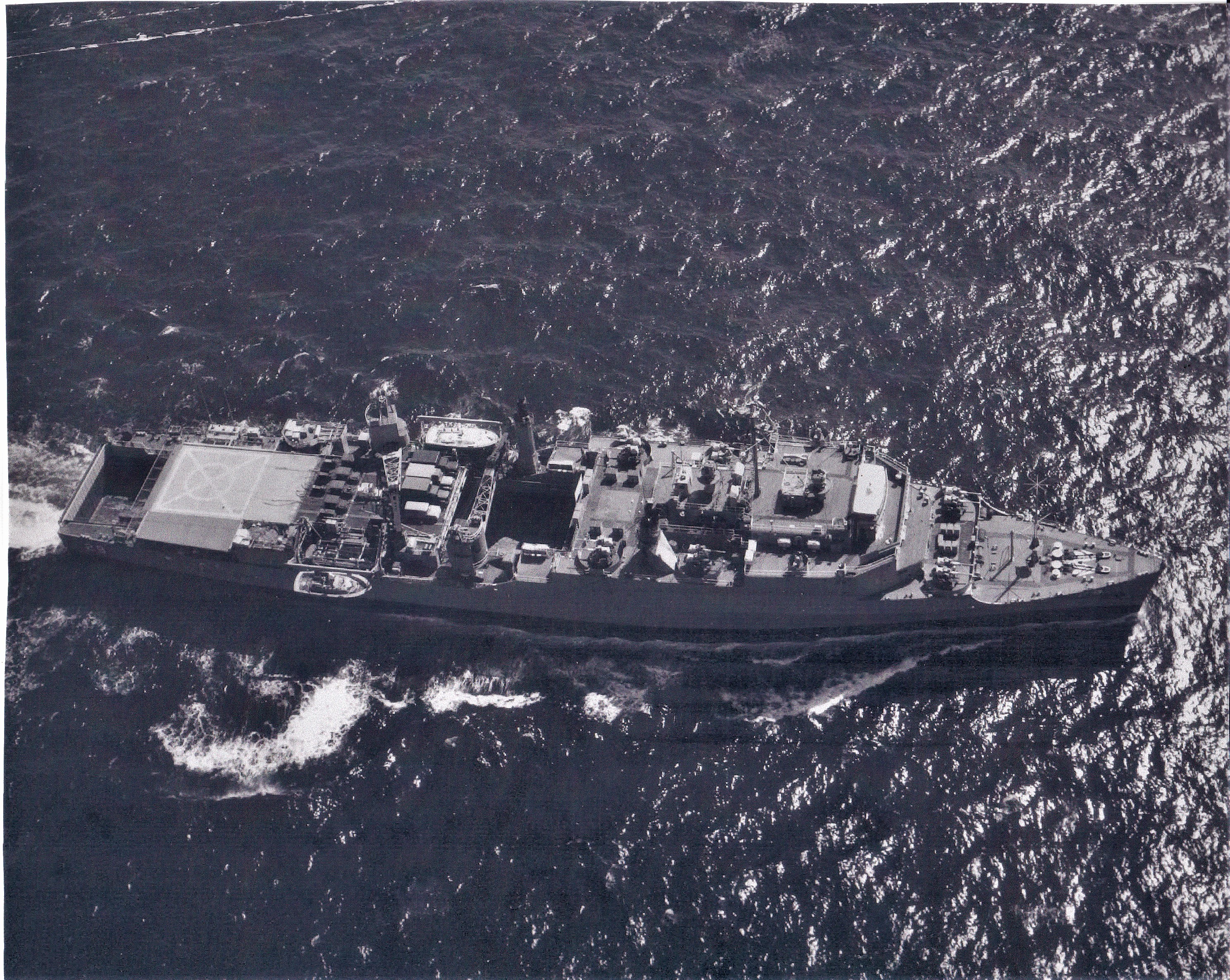
USS Plymouth Rock, a 11,270-ton Thomaston class dock landing ship, was built at Pascagoula, Mississippi. Commissioned on November 29, 1954, she was assigned to the Atlantic Fleet. Over the next three decades, Plymouth Rock deployed regularly to the Caribbean area, made several cruises with the Sixth Fleet in the Mediterranean, and occasionally visited northern Europe and South America. She also participated in Arctic Distant Early Warning (DEW) Line support operations in 1955 and 1957, a Project "Mercury" space flight support mission in 1961, the Cuban Missile Crisis blockade in 1962, the Palomares nuclear weapons recovery effort in 1966, weapons development efforts, disaster relief undertakings, and a large number of Amphibious exercises. USS Plymouth Rock was decommissioned in September 1983. Following a decade in the Reserve Fleet, she was sold for scrapping in September 1995.
LSD
(Dock Landing Ship)
Image below is the USS Ashland (LSD1). Photo contributed by Norm Jepson, BMSN
.jpg) This hybrid sea going vessel was
initially conceived in November, 1941. As the design progressed and developed, the Tank
Landing Craft (TLC) was re-designated an Artillery Transport, Mechanized (APM) - 8 vessels
(APM 1-8), were authorized for the U. S. Navy and 7 vessels - (BAPM 1-7) were ordered for
the Royal Navy under the Lend Lease Act. Before actual construction of these 15 vessels
began, the designator was again changed, this time, to Landing Ship, Dock (LSD). The Navy
twice expanded orders of the design during WWII - first to total 19 vessels, then to total
27 LSDs.
This hybrid sea going vessel was
initially conceived in November, 1941. As the design progressed and developed, the Tank
Landing Craft (TLC) was re-designated an Artillery Transport, Mechanized (APM) - 8 vessels
(APM 1-8), were authorized for the U. S. Navy and 7 vessels - (BAPM 1-7) were ordered for
the Royal Navy under the Lend Lease Act. Before actual construction of these 15 vessels
began, the designator was again changed, this time, to Landing Ship, Dock (LSD). The Navy
twice expanded orders of the design during WWII - first to total 19 vessels, then to total
27 LSDs.
Landing Ship, Docks (LSDs) were designed to transport loaded landing craft, amphibious vehicles and troops into an amphibious landing area; ballast down to flood their well decks; lower the stern gate to the sea, and disembark their craft and vehicles for the assault on a hostile beach. Once a beachhead was established, they acted as offshore repair docks for damaged ships, craft and vehicles up to Landing Ship Medium (LSM) and Landing Ship Infantry (LSI) sizes. In at least one reported case, the bow of a Destroyer Escort (DE) was docked for emergency repairs. Equipped with their long dry docks; shipfitter's shop; machine shop; and a carpentry shop; these vessels were able to handle extensive repairs at the scene of the assault. The first 27 of the LSD design were considered prototypes. As soon as one LSD was launched, commissioned and tested in actual combat conditions, successive launchings of the LSDs reflected the latest improvements in armament and transport capacity with their "super" or "portable" prefabricated decks. The end result, is that no two LSDs of the World War II design are exactly alike!
The current Harper's Ferry Class
(LSD-49 thru LSD 52) can deliver up to two LCAC (Landing Craft, Air Cushion) or a larger
number of conventional landing craft, plus transport some 402 Marines, as well as an
additional short distance transport of 102 more. There are also two other classes
currently in operation; Whidbey Island LSD-41 thru LSD-48, and Anchorage class, LSD-36
thru LSD40. The Whidbey Island class can carry up to 4 LCAC while the
others can only
carry two.
A typical ARG (Amphibious Ready Group) of Marines embarks an LHA or LHD-Amphibious Assault
Ship, an LSD-Dock Landing Ship, and an LPH-Amphibious Transport Dock
.
Number of
visits to this website This Website was designed
and is maintained by Web Petty Officer billie
here
Bill Provencal
37 South Main Street
Pittsfield, NH 03263
 at [email protected]

.jpg)
 l
l